Tracing Credit Lifecycles Across Hybrid Reel and Table Platforms Under Shifting Access Rules
Written by Otto Beck · Jul 15, 2026

Tracing Credit Lifecycles Across Hybrid Reel and Table Platforms Under Shifting Access Rules
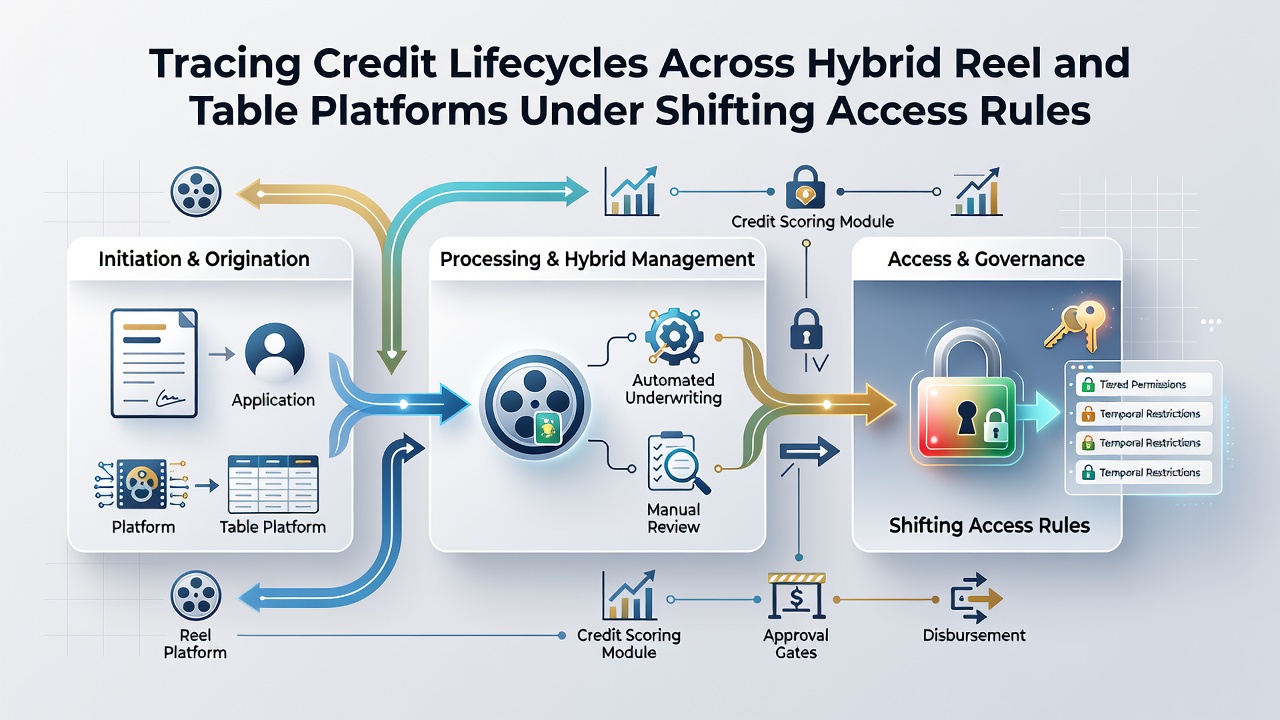
Hybrid reel and table platforms have become central to modern casino operations, and credit lifecycles within these systems require careful tracking as access rules evolve. Credits generated on reel-based machines often transfer into table environments where different wagering structures apply, which creates layered transaction paths that operators must monitor in real time. Researchers tracking these movements note that each credit carries metadata tied to its origin, and this data influences how platforms enforce jurisdictional limits when rules change mid-session.
Mechanics of Credit Movement in Connected Environments
Credits start their journey on reel platforms through spins that produce wins or bonus activations, then move across interfaces into table sections where live dealer interactions or electronic variants accept the same balance pool. Systems record each transfer with timestamps and platform identifiers, allowing operators to reconstruct full paths when audits occur. Data from multiple operators shows that seamless integration reduces friction for players yet demands robust backend reconciliation to prevent discrepancies during high-volume periods.
Access rules frequently adjust based on state or regional updates, and these shifts alter which credit types remain eligible for cross-platform use. In July 2026 several jurisdictions implemented updated verification layers that require additional player authentication before credits from reel sessions can activate table features, and this change directly affects lifecycle duration because pending approvals pause active balances. Observers note that platforms adapted by introducing temporary holding states that preserve credit value while compliance checks complete.
Regulatory Adjustments and Their Effects on Tracking
Shifting access rules stem from broader efforts to standardize player protections across digital and physical venues, and these adjustments force platforms to update their credit routing logic accordingly. According to reports from the American Gaming Association, operators have increased investment in unified ledgers that log every credit movement regardless of whether it originates on reels or tables. Such ledgers support compliance by providing instant visibility into balance histories when regulators request details.
Platforms handling both reel and table traffic often segment credit pools temporarily during rule transitions, which prevents unintended use of balances under newly restricted conditions. Figures from industry analyses reveal that these segmentation tactics have reduced compliance incidents by maintaining clear boundaries until full system updates deploy. Those who manage hybrid environments find that preemptive mapping of credit categories helps minimize service interruptions when access parameters tighten.
Practical Examples from Operational Platforms
One large operator in a multi-state market adjusted its hybrid system after a rule change required separate approval for table access using reel-derived credits, and the update introduced automated flags that route qualifying balances through a verification queue before release. Similar adjustments appeared in other regions where access rules incorporated time-based restrictions, limiting how long credits remain eligible for table play after reel activity ends. Research indicates these modifications maintain continuity for players while satisfying new oversight requirements.
Another case involved platforms serving international users where access rules differ by country, and credit lifecycles incorporate geo-location checks at each transfer point. Data shows that hybrid systems employing these checks experience fewer blocked transactions once initial setup completes, because credits carry embedded compliance status from the start. Operators report that maintaining detailed lifecycle records also supports faster resolution of player queries about balance availability.
Future Considerations for Credit Management Systems
As access rules continue to shift, platforms will likely expand use of real-time analytics to predict how credit flows respond to regulatory updates. Studies from research institutions have highlighted the value of predictive modeling in anticipating bottlenecks that arise when multiple jurisdictions update their requirements simultaneously. These models help operators prepare routing adjustments before rules take effect, reducing the need for emergency patches.
Integration between reel and table components will depend on continued refinement of shared ledgers that accommodate varying access conditions without fragmenting player balances. Evidence from ongoing deployments suggests that platforms prioritizing flexible architecture encounter fewer disruptions during rule transitions, and this flexibility supports sustained operations across expanding regulatory landscapes.
Conclusion
Tracing credit lifecycles across hybrid reel and table platforms under shifting access rules involves detailed logging, adaptive routing, and proactive compliance measures that keep balances functional within updated boundaries. Industry data and regulatory reports together illustrate how these systems evolve to meet changing requirements while preserving operational continuity. Operators who maintain comprehensive tracking capabilities position themselves to handle future adjustments with minimal impact on platform performance.