Stake Migration Pathways Through Multi-Tiered Bonus Structures in Networked Gaming Environments
Written by Katja Wagner · Aug 23, 2026
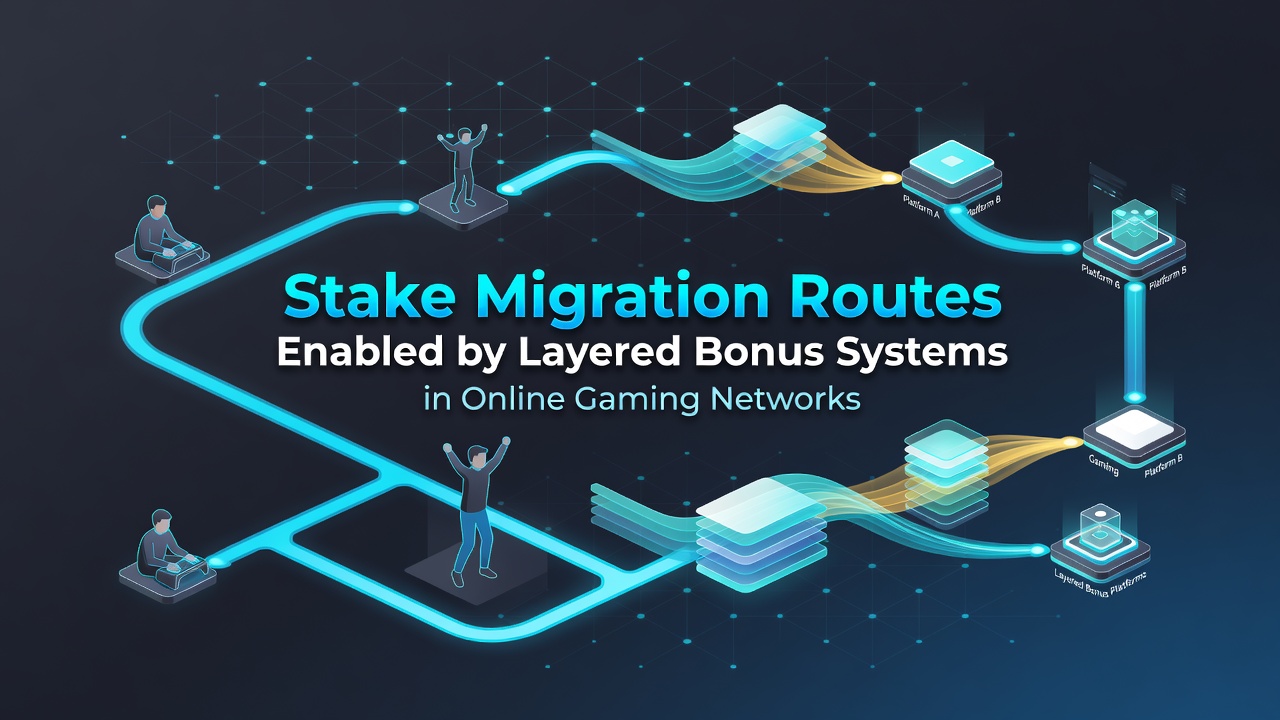
Stake Migration Pathways Through Multi-Tiered Bonus Structures in Networked Gaming Environments
Stake migration routes in online gaming networks rely on layered bonus systems that connect different game types and allow value to move between them without direct cash transfers, and data from regulatory reports shows these mechanisms operate through sequential reward tiers that accumulate across sessions. Observers note that such systems often start with base-level bonuses on slots or video poker before progressing to higher-value layers that unlock table game eligibility or live dealer access.
How Layered Bonuses Create Transfer Routes
Layered bonus structures typically begin with deposit-matched rewards that carry playthrough requirements while subsequent tiers add multipliers or cashback components that convert accumulated points into transferable credits, and researchers have documented these flows in multi-platform networks where a player completes initial conditions on one title before the system releases value for use elsewhere. Data indicates that the process involves tracking cumulative activity across connected accounts so that progress in early layers feeds directly into later ones without resetting upon game switches.
August 2026 figures from several North American operators reveal increased adoption of these layered models following updates to cross-state licensing agreements, which expanded the number of participating networks and thereby multiplied available migration paths. Experts have observed that each layer adds specific conditions such as minimum bet thresholds or time-based checkpoints that must align before stakes can shift categories.
Network Integration and Route Mapping
Online gaming networks integrate these bonuses through centralized player accounts that monitor bonus status across multiple titles, and studies show this centralization reduces friction when migrating stakes from high-volatility slots into lower-risk table environments. One documented pattern involves completing a first-layer free spin requirement on a slot machine then automatically qualifying for a second-layer match bonus that applies to blackjack or roulette sessions within the same ecosystem.
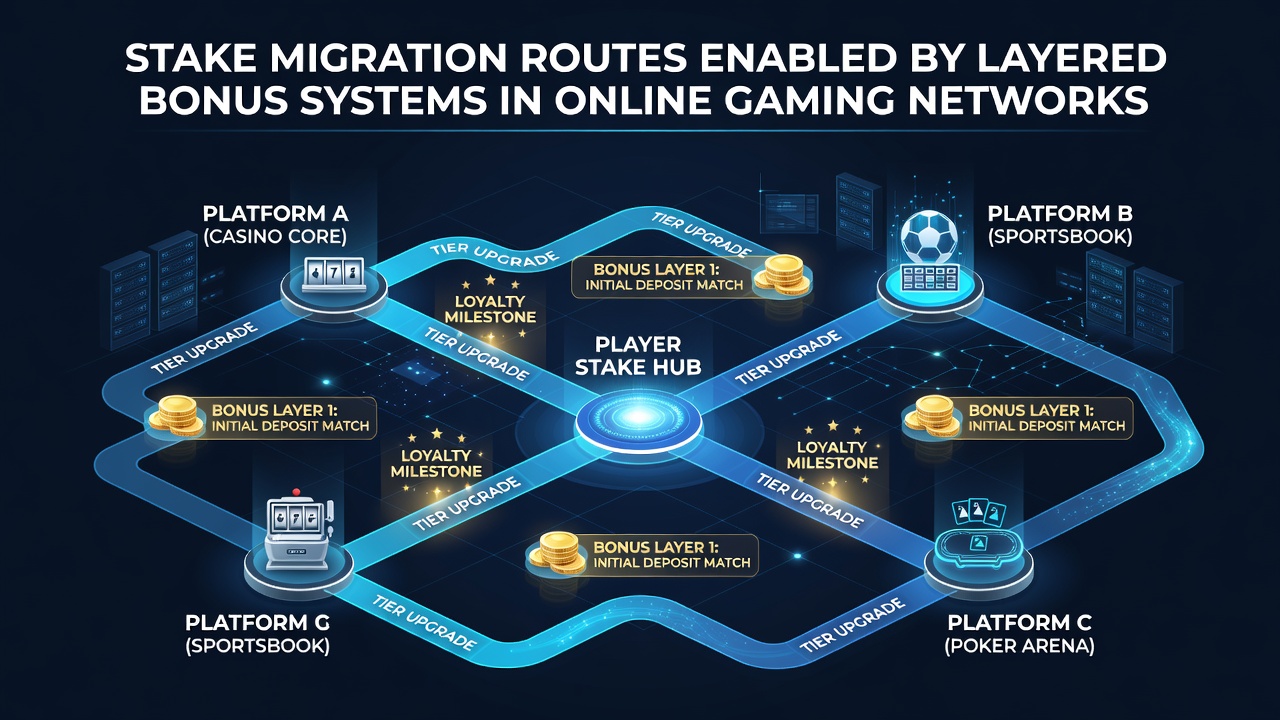
Those who've analyzed platform architectures note that migration routes often follow predefined sequences where bonus layers unlock progressively stricter or higher-stakes options, while the underlying software enforces rules that prevent premature transfers. Figures from industry reports indicate that networks using three or more layers experience higher cross-game activity compared with single-tier systems, because each additional layer creates an intermediate checkpoint that sustains player engagement.
Regulatory Context and Data Patterns
According to statistics released by the New Jersey Division of Gaming Enforcement, layered bonus usage contributed to measurable increases in multi-game participation during the first half of 2026, and similar patterns appear in data shared by the Australian Communications and Media Authority regarding licensed platforms. These reports highlight how operators must log migration events separately from standard wagers to maintain compliance, which in turn generates detailed records of route frequency and average stake values moved.
What's interesting is that academic analyses from research institutions have examined the algorithmic triggers behind layer activation, finding that random number generators and loyalty point converters work together to determine when a bonus tier releases transferable value. People who've reviewed these studies note that the systems prioritize balanced distribution so no single route dominates, thereby maintaining network stability across different game categories.
Technical Implementation Across Platforms
Technical implementations vary by provider yet commonly feature API connections between game servers and a central bonus engine that tracks layered progress in real time, and data shows these connections allow near-instant updates when a player meets conditions on one title and immediately accesses the next migration option. Operators in regions with mature licensing frameworks have adopted standardized reporting formats that capture each route segment, from initial bonus claim through final stake application.
Industry organizations such as the International Association of Gaming Regulators have compiled summaries indicating that layered systems reduce the need for manual fund movements while preserving house edge calculations across transferred stakes. Evidence suggests that the complexity of these routes increases with network size, as more participating operators add additional layer options that interconnect previously separate platforms.
Conclusion
Stake migration routes enabled by layered bonus systems continue to evolve as networks expand and regulatory frameworks adapt, with data from multiple jurisdictions showing consistent growth in their utilization through August 2026. Researchers and operators alike track these developments through detailed logs that map every layer transition, providing a factual basis for understanding how value moves within interconnected gaming environments. Continued analysis of these patterns offers clear insights into the operational mechanics that define current online gaming networks.