Sequential Credit Flows Across Multi-Game Holdings: Extraction Patterns in Mixed Portfolios
Written by Katja Wagner · Jul 19, 2026
Sequential Credit Flows Across Multi-Game Holdings: Extraction Patterns in Mixed Portfolios
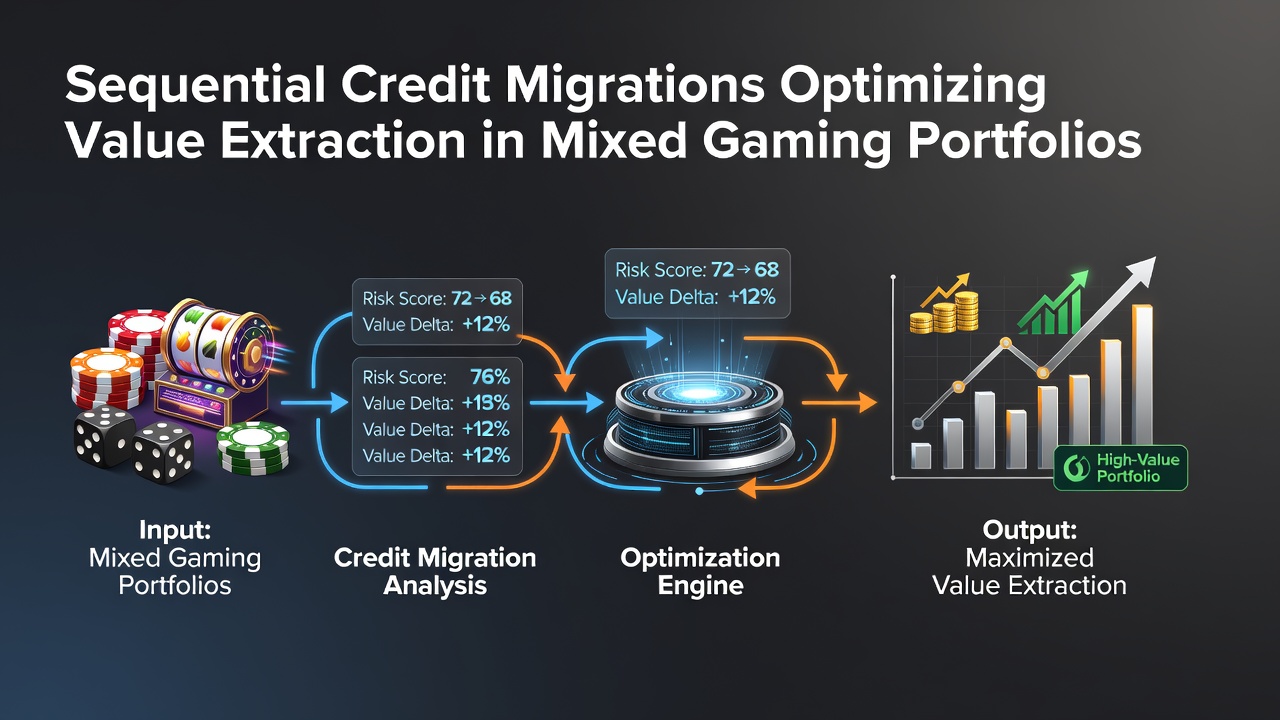
Sequential credit migrations refer to the structured movement of player funds between different game categories within a single portfolio, and operators track these patterns to identify value extraction opportunities. Data from multiple jurisdictions shows that players who shift credits in deliberate sequences often extend session lengths while altering house edge exposure across slots, poker rooms, and live dealer tables. Researchers who examined transaction logs from integrated platforms note that these flows create measurable differences in overall hold percentages compared to static allocation methods.
Core Mechanics of Credit Sequence Design
Portfolio managers segment games into volatility tiers, then route credits from high-volatility slots into lower-volatility table games once specific thresholds are met. This approach relies on real-time balance monitoring systems that flag when a credit pool reaches predetermined migration points. Systems log each transfer with timestamps and game identifiers, allowing analysts to reconstruct sequences after the fact and calculate net value extracted per cycle.
Operators integrate these logs with bonus tracking modules so that migrated credits retain eligibility for certain promotions while losing eligibility for others. The process creates layered accounting trails that compliance teams review during routine audits. Figures released by the Nevada Gaming Control Board for the first half of 2026 indicate rising volumes of cross-game transfers among players holding multi-game accounts.
Portfolio Segmentation and Migration Timing
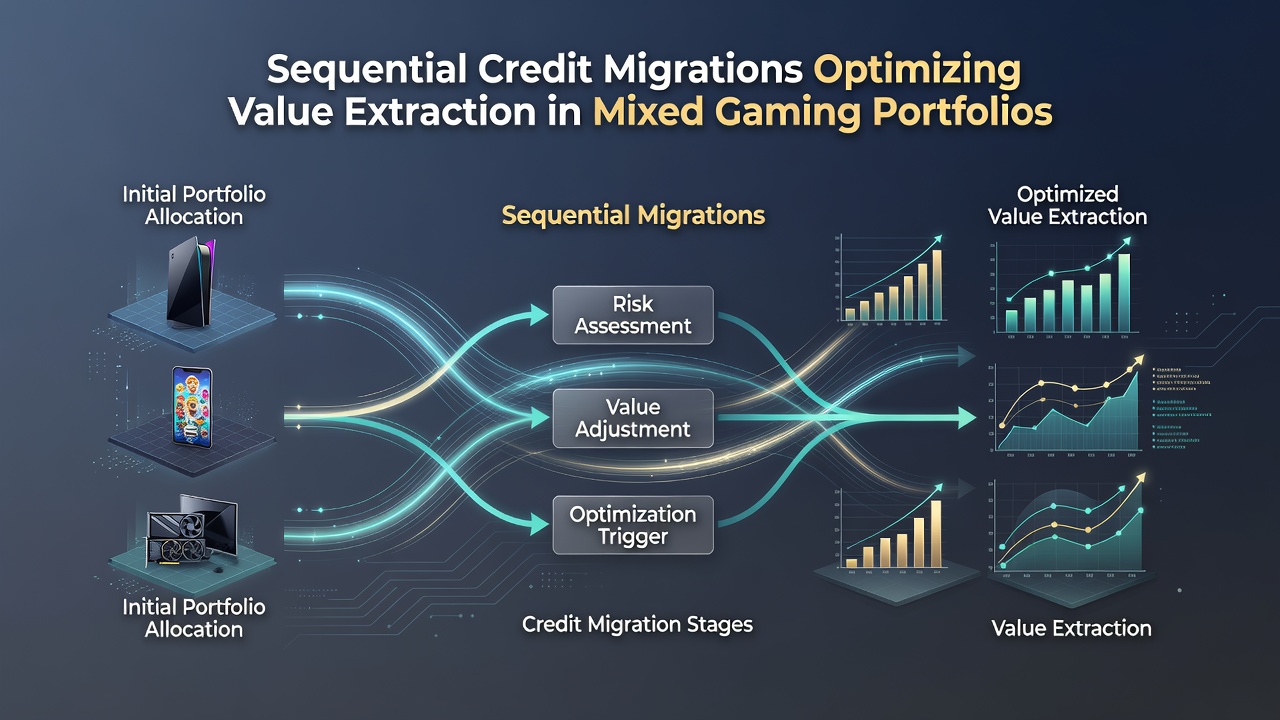
Analysts divide mixed portfolios into three primary segments: reel-based games, card-based table offerings, and live dealer streams. Credit sequences typically begin in the reel segment, move through card tables, and terminate in live dealer environments where pace control allows finer adjustments to exposure. Timing algorithms factor in recent win streaks, current promotional calendars, and remaining wagering requirements attached to active bonuses.
One study of aggregated platform data revealed that sequences lasting between four and seven transfers produced the highest average extraction rates before variance flattened returns. Shorter sequences left unused promotional value on the table, while longer ones exposed players to increased house edge accumulation across multiple game types. Platform dashboards display these metrics in heat-map formats that highlight optimal migration windows for each portfolio tier.
Regulatory Reporting and Data Transparency
Jurisdictions require operators to report aggregate migration volumes without disclosing individual player identities. Canadian provincial regulators, including those in Ontario, began collecting cross-game transfer statistics in early 2026 as part of expanded responsible gambling data sets. These reports feed into academic reviews conducted by research teams at institutions studying behavioral economics in gaming environments. The resulting papers compare extraction efficiency across jurisdictions that permit real-time credit movement versus those maintaining stricter segmentation rules.
Platform updates rolled out in July 2026 introduced enhanced logging features that timestamp every migration event down to the millisecond. These upgrades help operators demonstrate compliance during periodic reviews while supplying richer data sets for internal optimization models. Observers note that the added granularity allows finer calibration of sequence rules without altering core game mathematics.
Integration With Bonus Structures
Modern bonus engines tag credits according to their origin game and any attached conditions. When credits migrate, the engine evaluates whether the new game preserves, modifies, or voids those conditions. Sequences that preserve promotional value across game types generate longer engagement curves, according to internal metrics shared at industry conferences. Teams that design these engines test migration paths against historical player cohorts to minimize unintended bonus forfeiture.
Case records from multi-state operators show that sequences incorporating at least one table game transfer after an initial slot phase retain higher percentages of bonus funds through the full cycle. The same records indicate that sequences skipping table games entirely forfeit eligibility for certain live-dealer-specific promotions more frequently.
Conclusion
Sequential credit migrations represent a documented operational layer within mixed gaming portfolios, supported by transaction data and regulatory filings across multiple regions. Patterns extracted from these flows provide operators with quantitative inputs for portfolio management systems. As platforms continue to log and analyze migration events, the resulting data sets support ongoing refinement of sequence rules while meeting reporting obligations set by oversight bodies. The July 2026 platform enhancements further standardized these logging practices, creating consistent data structures that researchers and compliance teams can reference across jurisdictions.