Seamless Player Journeys Across Mobile and Live Casino Platforms in Unified Ecosystems
Written by Katja Wagner · Jul 10, 2026
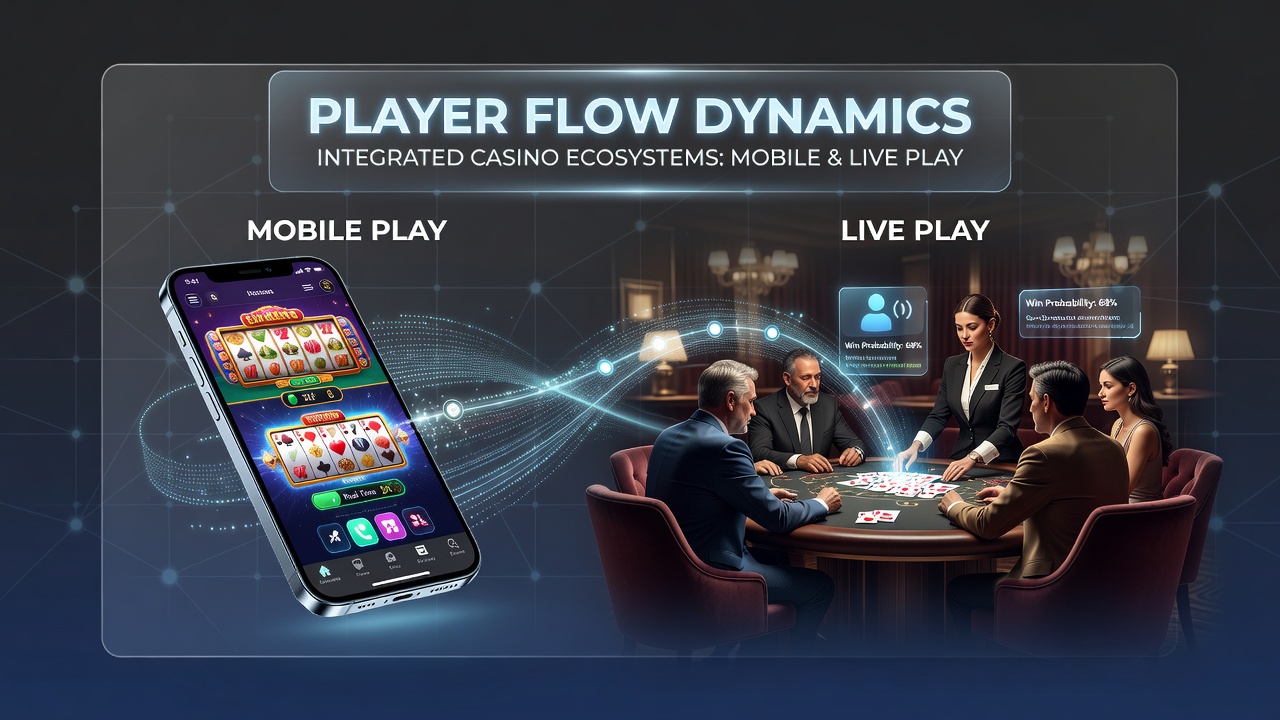
Seamless Player Journeys Across Mobile and Live Casino Platforms in Unified Ecosystems
Integrated casino ecosystems now link mobile applications directly with live venue operations, allowing players to shift between digital interfaces and physical tables without resetting their progress or balances. These systems track user activity across both channels through shared databases that update in real time, creating continuous sessions where a player might begin on a smartphone during a commute and finish at a blackjack table hours later. Data from multiple operators shows this connectivity increases average session duration by coordinating rewards and location-based prompts.
Core Components of Player Flow Systems
Modern platforms combine geofencing technology with account synchronization tools, so mobile users receive notifications about nearby table availability while their digital bankroll remains accessible upon arrival. Operators deploy these features through centralized management software that records every transition, from login patterns on phones to seat reservations on the floor. Research from industry analytics firms indicates that such integration reduces drop-off rates during channel switches, as players encounter fewer barriers when moving between environments.
Those who manage these ecosystems emphasize unified loyalty programs that award points regardless of device or venue type, which encourages repeated engagement across both mobile and live settings. Figures from regulatory filings in several U.S. states reveal steady growth in hybrid player counts throughout 2025 and into mid-2026, with particular spikes noted around major sporting events that draw crowds to physical locations while mobile users participate remotely.
Transition Patterns Observed in July 2026
By July 2026, several major operators reported increased volume in mobile-initiated reservations that converted to live floor visits, especially in markets where apps allow direct table booking. Systems log these movements through timestamped entries that link a user's digital activity to their physical presence, enabling staff to prepare personalized service based on prior mobile behavior. Observers note that this timing coincides wth summer travel peaks, when visitors often start planning sessions on mobile devices before reaching destinations.
One documented flow involves players using mobile apps to claim time-limited offers that activate only upon check-in at partnered venues, creating direct pathways from digital engagement to live participation. Data indicates these mechanisms operate smoothly when backend servers maintain consistent identity verification across both channels, minimizing interruptions during the switch. Experts tracking these patterns highlight how such designs support sustained activity rather than isolated sessions confined to a single platform.
Analytics Driving Flow Optimization
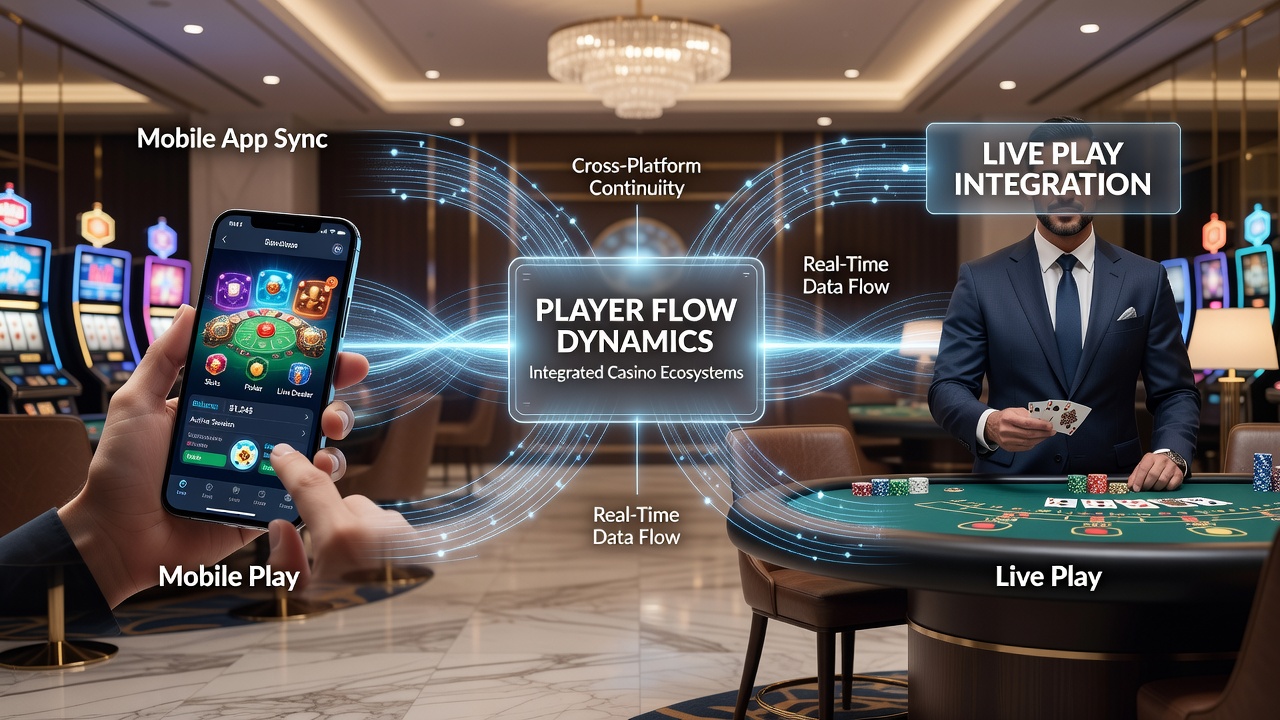
Operators rely on aggregated datasets to map common routes players take when alternating between mobile slots and live dealer games, adjusting staffing and digital prompts accordingly. According to reports compiled by the American Gaming Association, cross-channel tracking tools have become standard in larger properties, providing visibility into peak transition times such as evenings and weekends. These insights help refine how promotions appear on mobile screens to guide users toward live options when capacity allows.
Academic studies from institutions examining gambling behavior further examine retention metrics tied to seamless access, showing correlations between integrated systems and extended play periods across formats. In practice, this means a player finishing a mobile session can receive immediate suggestions for table games based on their recent activity, with the transition handled through a single account profile that carries over preferences and limits.
Regional Implementation Examples
Properties in North American markets have adopted these flows at scale, connecting state-regulated mobile platforms with on-site operations through secure APIs that exchange data without exposing sensitive details. Similar approaches appear in European and Asian venues, where regulatory frameworks support unified player accounts spanning digital and physical play. Government agencies in Canada and Australia have documented parallel developments in their oversight reports, noting the role of such ecosystems in maintaining compliance while expanding user options.
What's notable is how these connections handle variable player volumes, scaling notifications and reservations dynamically based on live floor conditions reported back to mobile interfaces. One study from a European research consortium found measurable improvements in attendance consistency when users could preview table availability through their apps before traveling to venues.
Conclusion
Player flow dynamics in these integrated setups continue to evolve as operators refine the technical links between mobile and live environments. Current implementations focus on reliable data sharing and synchronized rewards to support uninterrupted movement, with ongoing monitoring through established industry and regulatory channels ensuring alignment with operational standards.