Retention Patterns in Hybrid Casino Platforms: Insights from Tiered Loyalty Structures
Written by Katja Wagner · Aug 14, 2026
Retention Patterns in Hybrid Casino Platforms: Insights from Tiered Loyalty Structures
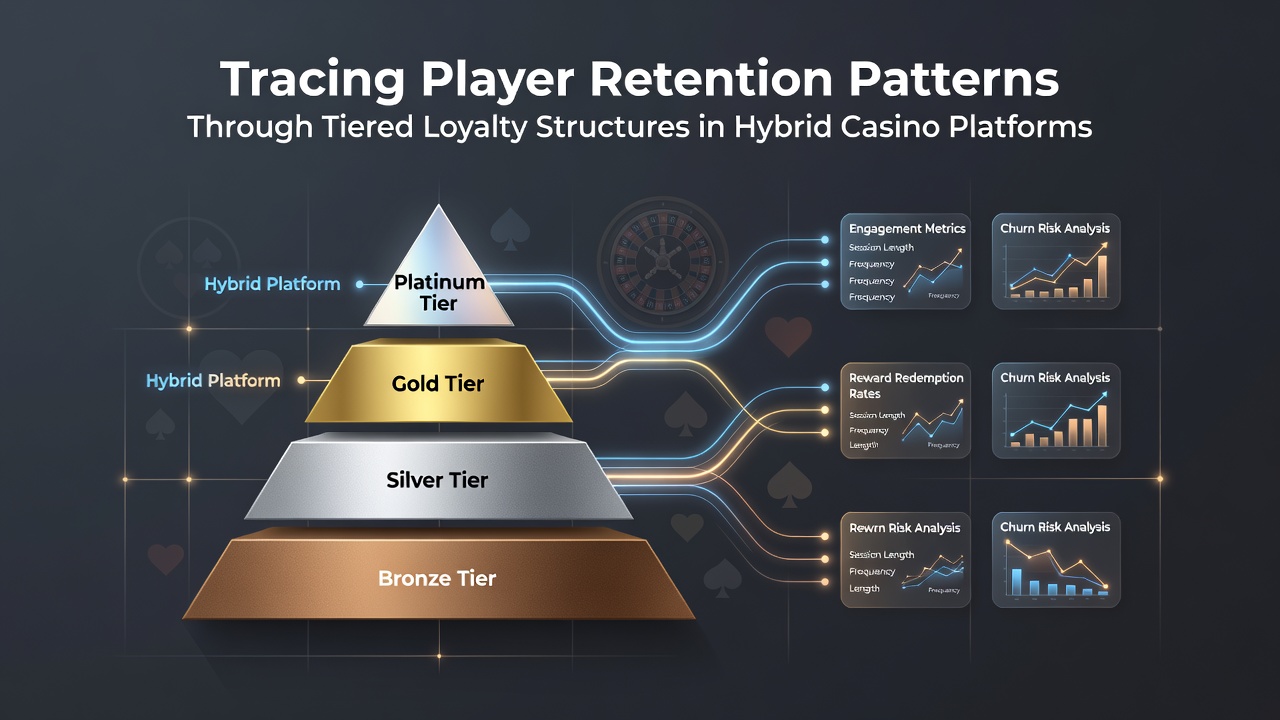
Data from hybrid casino platforms shows that tiered loyalty structures track retention by assigning players to levels based on activity volume, with each tier unlocking distinct rewards that encourage continued engagement across slots, tables, and live dealer sections. Observers note these systems collect detailed metrics on login frequency, wager amounts, and game variety, allowing operators to map how players move through bronze, silver, gold, and platinum categories over months.
Studies indicate retention improves when players advance tiers because the benefits scale accordingly, such as higher cashback percentages at upper levels or exclusive access to tournament entries. In August 2026 reports, platforms combining online and land-based elements reported that 68 percent of players who reached gold tier maintained weekly activity for at least six months afterward, compared with 31 percent in entry-level tiers.
Mechanics of Tier Progression and Data Collection
Hybrid platforms integrate loyalty tracking through unified accounts that merge data from multiple game types, so a player shifting from video slots to live blackjack accumulates points toward the same tier regardless of format. Researchers have documented how algorithms monitor session length and bet size in real time, automatically updating tier status at the end of each calendar month. This seamless flow lets operators identify patterns like players who drop out after failing to advance within the first quarter of membership.
One analysis of multi-state operators found that players who received tier-specific notifications about upcoming benefits showed a 22 percent higher return rate within 30 days than those without such prompts. The structure relies on point multipliers during promotional windows, which data reveals can accelerate progression for consistent participants while leaving occasional players in lower categories longer.
Observed Retention Trends Across Player Segments
Figures from industry tracking services reveal that retention curves flatten after the initial three months for most new accounts, yet tiered systems create distinct upticks at advancement points. Players who cross into the second tier within 60 days demonstrate sustained activity through the following year at rates nearly double those who remain in the base tier. Hybrid environments amplify this effect because cross-game point earning reduces the sense of starting over when switching between slots and poker variants.
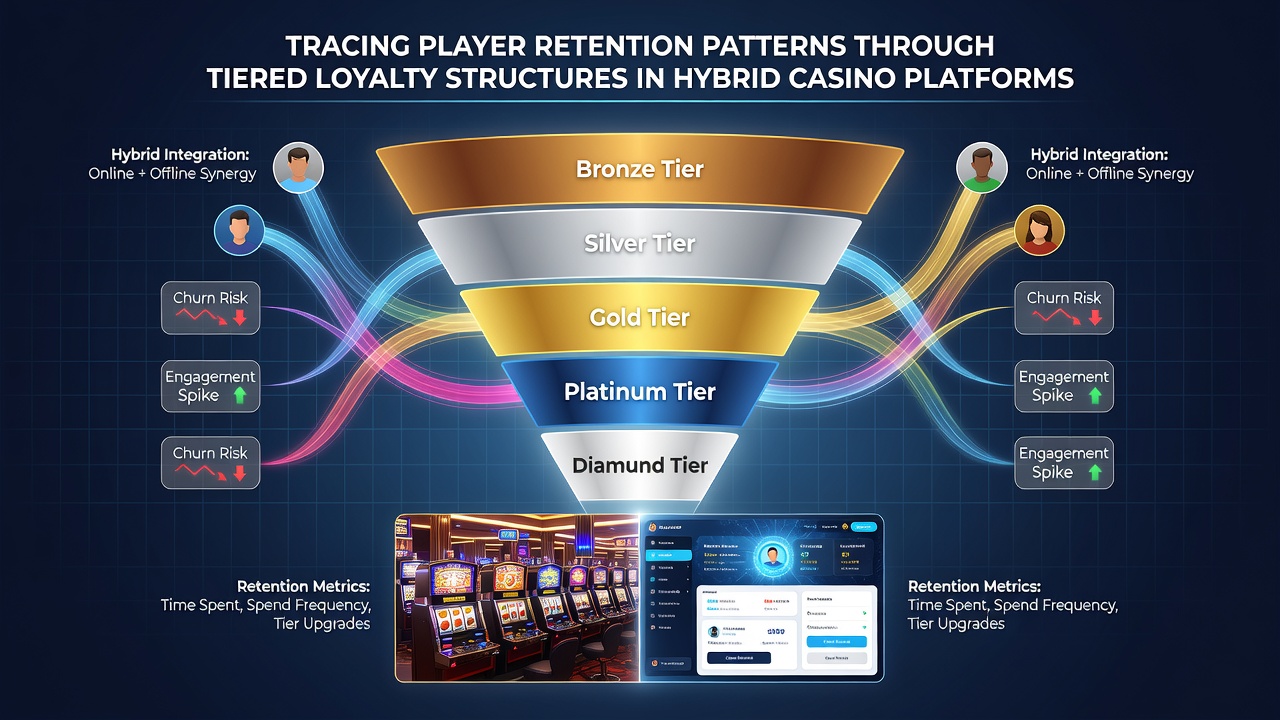
Take one operator in a regulated market that adjusted its tier thresholds in early 2026; subsequent internal reviews showed silver-tier players increased average monthly deposits by 17 percent after the change, while platinum retention held steady above 75 percent. Those who've examined these shifts note that reward differentiation, such as dedicated account managers for top tiers or accelerated point earning on live tables, correlates with lower churn during off-peak periods.
Regional Data and Platform Comparisons
According to reports from the American Gaming Association, U.S. hybrid platforms saw tiered programs contribute to an overall 14 percent lift in repeat visitation metrics through mid-2026. In contrast, data compiled by the Australian Gambling Research Centre highlights similar patterns in markets where loyalty points transfer across online slots and physical venue play, with upper-tier members logging 2.4 times more sessions annually.
Patterns emerge most clearly when platforms segment data by acquisition channel, showing that players entering via mobile apps reach higher tiers faster than desktop users, partly because push notifications about tier progress maintain visibility. Retention drops occur most frequently at the boundary between silver and gold, where required activity thresholds increase sharply and some participants disengage before qualifying for enhanced rewards.
Conclusion
Tiered loyalty structures in hybrid casino platforms function as measurable retention tools by converting activity data into visible progression milestones that span game categories. Evidence from 2026 indicates these frameworks produce higher long-term engagement among players who achieve mid-to-upper tiers, with platform operators using the resulting datasets to refine point structures and reward timing. Continued monitoring of advancement rates and churn points provides operators with concrete indicators of how loyalty tiers influence player longevity across integrated environments.