Mobile Interface Designs Facilitating Stake Modifications in Concurrent Table Sessions
Written by Greta Krüger · Jun 12, 2026
Mobile Interface Designs Facilitating Stake Modifications in Concurrent Table Sessions
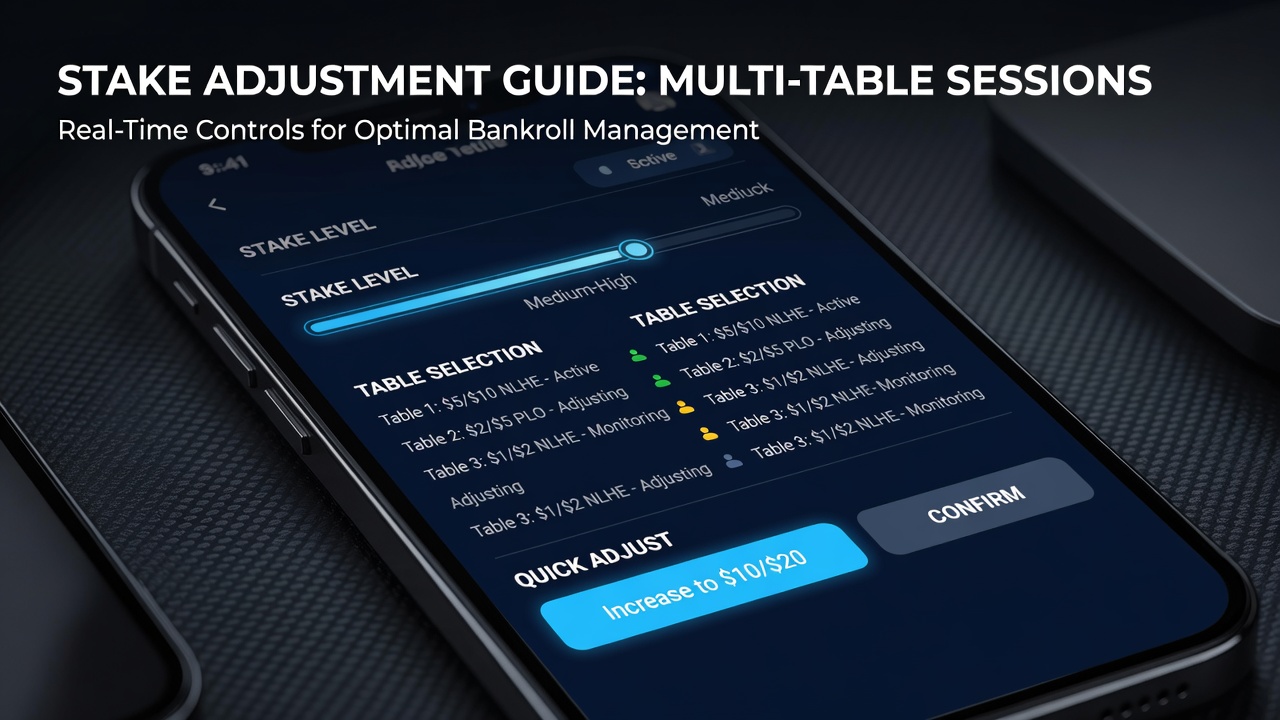
Online platforms supporting simultaneous table participation rely on mobile layouts that organize stake controls into accessible zones while maintaining visibility across active games, and these designs often incorporate swipe gestures alongside persistent side panels that allow players to modify wagers without disrupting ongoing rounds.
Core Elements of Mobile Stake Guidance Systems
Developers arrange primary stake sliders within thumb-reachable areas at the bottom of the screen whereas secondary confirmation buttons occupy the upper right quadrant, creating a flow that reduces the steps needed to increase or decrease bets across multiple tables. Observers note that color-coded indicators highlight current wager levels in each session so users can scan adjustments at a glance, and grid-based overviews stack active tables vertically with expandable detail cards that reveal per-table controls when tapped.
Research from the Interactive Gaming Council indicates that platforms updated their interfaces in early 2026 to include gesture-based stake presets, which let users apply common increments through directional swipes rather than manual entry fields. This approach connects directly to multi-table efficiency since it minimizes screen transitions and keeps all open sessions visible in a split-view format.
Navigation Patterns Supporting Simultaneous Adjustments
Tabbed navigation appears along the left edge in landscape mode, allowing rapid switches between tables while a floating adjustment bar remains anchored at the base regardless of the active view. Data shows these patterns emerged prominently after mobile traffic surpassed desktop usage in regulated markets during 2025, prompting designers to prioritize one-handed operation for sessions lasting several hours.
Figures from iGaming Ontario reveal that players engaging in three or more tables simultaneously performed stake changes 40 percent faster when interfaces grouped controls by bet type instead of scattering them across separate menus. And experts at the University of Nevada Reno documented similar results in usability tests conducted through spring 2026, noting that contextual tooltips surface only when a table's stake deviates from the session average.
Integration with Platform Analytics
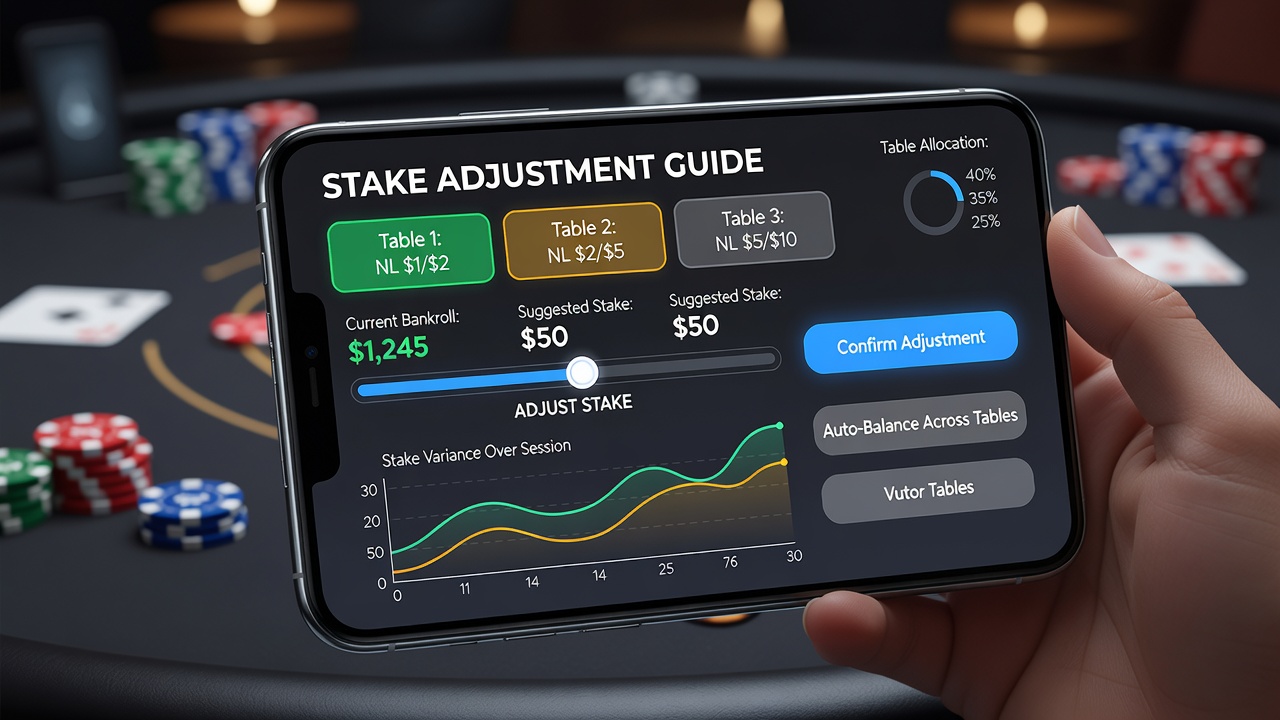
Many applications sync stake guidance with real-time bankroll displays positioned in the top bar, updating automatically as adjustments occur across tables. This linkage helps maintain session totals without requiring separate balance checks, while predictive sliders suggest increments based on prior patterns recorded within the same account.
Recent Platform Evolutions Observed in June 2026
Throughout June 2026 several major operators rolled out refined layouts that incorporate haptic feedback on stake confirmations, providing tactile cues when adjustments register across connected tables. These updates addressed earlier complaints about accidental taps during rapid multi-table play, and they align with broader industry shifts toward gesture-dominant interfaces documented in reports from the Australian Communications and Media Authority.
Observers tracking these changes point out that portrait orientation now defaults to a stacked table list with inline stake toggles, whereas landscape mode expands into a true multi-window arrangement complete with draggable divider lines for resizing individual game views. Such flexibility supports varied device sizes without forcing users to exit one table to manage another.
Design Considerations Across Device Ecosystems
Cross-platform consistency receives particular attention since stake controls must function identically on both iOS and Android builds, yet each operating system imposes different gesture libraries that developers reconcile through custom overlays. Evidence from industry analyses suggests that platforms achieving this parity see higher retention rates among users who frequently manage four or more tables at once.
Adaptive scaling ensures that slider sensitivity adjusts according to screen dimensions, preventing overshoots on smaller devices while preserving precision on larger tablets. What's notable is how these systems often include optional lock modes that freeze stake settings on selected tables during high-variance periods, a feature rolled out widely after regulatory reviews in multiple jurisdictions highlighted player control tools.
Conclusion
Mobile interface layouts guiding stake adjustments continue evolving to meet demands of concurrent table participation, relying on spatial organization, gesture support, and integrated feedback mechanisms that keep all sessions manageable from a single screen. As adoption grows through 2026 and beyond, these designs reflect ongoing refinements shaped by usage data and regulatory expectations across diverse markets.