Loyalty Point Conversion Systems Bridging Slot Play and Live Dealer Sessions in Interstate Casino Networks
Written by Otto Beck · Aug 31, 2026
Loyalty Point Conversion Systems Bridging Slot Play and Live Dealer Sessions in Interstate Casino Networks
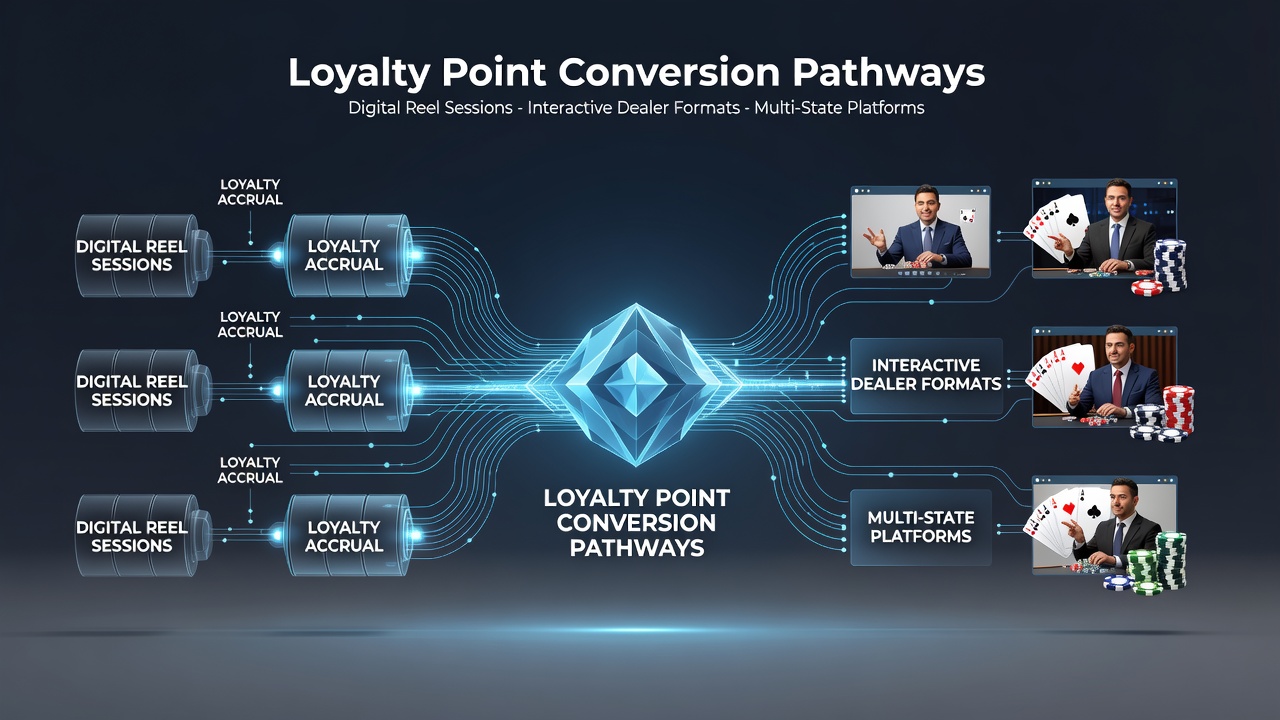
Platforms operating across multiple states have developed structured pathways that allow players to convert loyalty points accumulated during digital reel sessions into credits usable in interactive dealer formats, and data from regulatory filings show these systems rely on unified account ledgers that track activity regardless of game type. Operators maintain separate ledgers for each state jurisdiction yet link them through centralized player profiles that recognize points earned in one location for redemption in another, provided both fall under compatible compacts.
Mechanics of Point Generation in Digital Reel Sessions
Digital reel sessions award points based on wager volume and game contribution rates that vary by title, while state regulations in places like New Jersey and Pennsylvania require operators to publish exact conversion ratios in advance. Points typically accrue at rates tied to coin-in totals, and many platforms apply multipliers during promotional windows that run through August 2026 in several markets. Those who study these systems note that slot activity often feeds the bulk of loyalty balances because of higher play volume compared with table games.
Conversion Pathways to Interactive Dealer Formats
Once points reach a threshold, players initiate conversion through account dashboards that map the balance to live dealer credits or tournament entries, and the process completes in real time when the platform's backend confirms the transaction across state servers. Conversion ratios differ by jurisdiction, with some states capping the percentage of points that can shift into dealer formats to maintain separation between machine and table revenue streams. Platforms use API connections between slot and dealer modules so that redeemed credits appear instantly in the interactive lobby, allowing seamless movement from one session type to the next.
Research from the Michigan Gaming Control Board indicates that conversion volumes between reel and dealer products grew steadily through mid-2026, driven by player demand for flexibility. Operators must log each transfer with timestamps and state identifiers to satisfy audit requirements that apply uniformly across connected markets.
Multi-State Platform Considerations
Multi-state networks face the added layer of aligning point values when rulesets differ, such as when one jurisdiction taxes loyalty redemptions differently than another. Technical teams synchronize databases nightly to prevent discrepancies, and players receive notifications when point values adjust due to regulatory changes. In August 2026 several operators expanded these linkages to include newly approved states, creating broader networks where points earned on reels in one market fund dealer play in another without manual intervention.
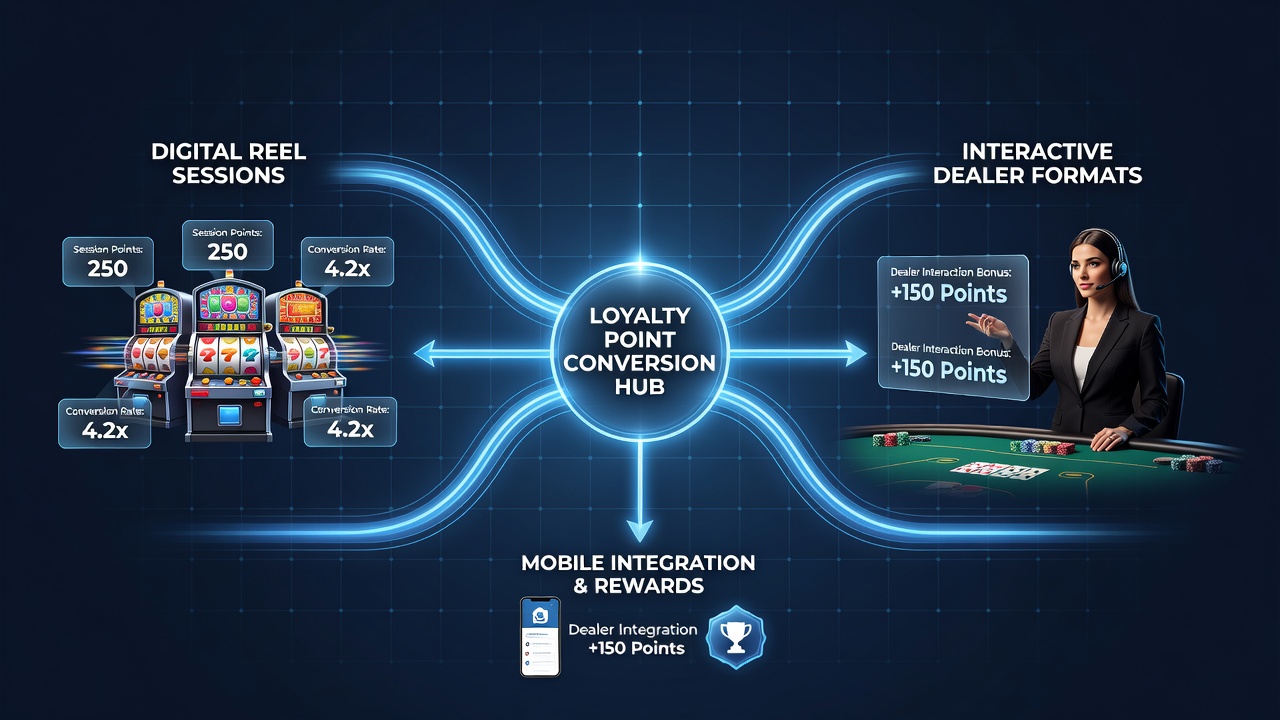
Case examples from integrated platforms reveal that players frequently move balances after completing slot challenges that unlock bonus multipliers applicable to dealer tables. The underlying software enforces state-specific caps automatically, ensuring compliance while preserving the user experience of a single loyalty ecosystem. Observers tracking these flows point to increased retention metrics once conversion options became available, although exact figures remain proprietary.
Regulatory and Technical Safeguards
State regulators require transparent disclosure of all conversion fees and time limits, and platforms embed these details in help sections accessible before any transfer. Security protocols encrypt point data during interstate transfers, and independent testing labs verify that random number generators governing both reel and dealer outcomes remain isolated from loyalty calculations. Figures released by the Pennsylvania Gaming Control Board show that compliance audits in 2026 focused heavily on cross-game point integrity to prevent manipulation across connected accounts.
Conclusion
Loyalty point conversion pathways continue to evolve as more states authorize online gaming, with operators refining the technical bridges that connect digital reel activity to interactive dealer participation. These systems rest on shared databases, published ratios, and regulatory oversight that together enable point movement while respecting jurisdictional boundaries. As networks expand, the documented growth in conversion activity demonstrates how platforms adapt existing loyalty structures to serve players across multiple state environments.