Casino Operators Redirect Promotional Resources Toward Live Dealer Features Across Integrated Platforms
Written by Greta Krüger · Jul 29, 2026
Casino Operators Redirect Promotional Resources Toward Live Dealer Features Across Integrated Platforms
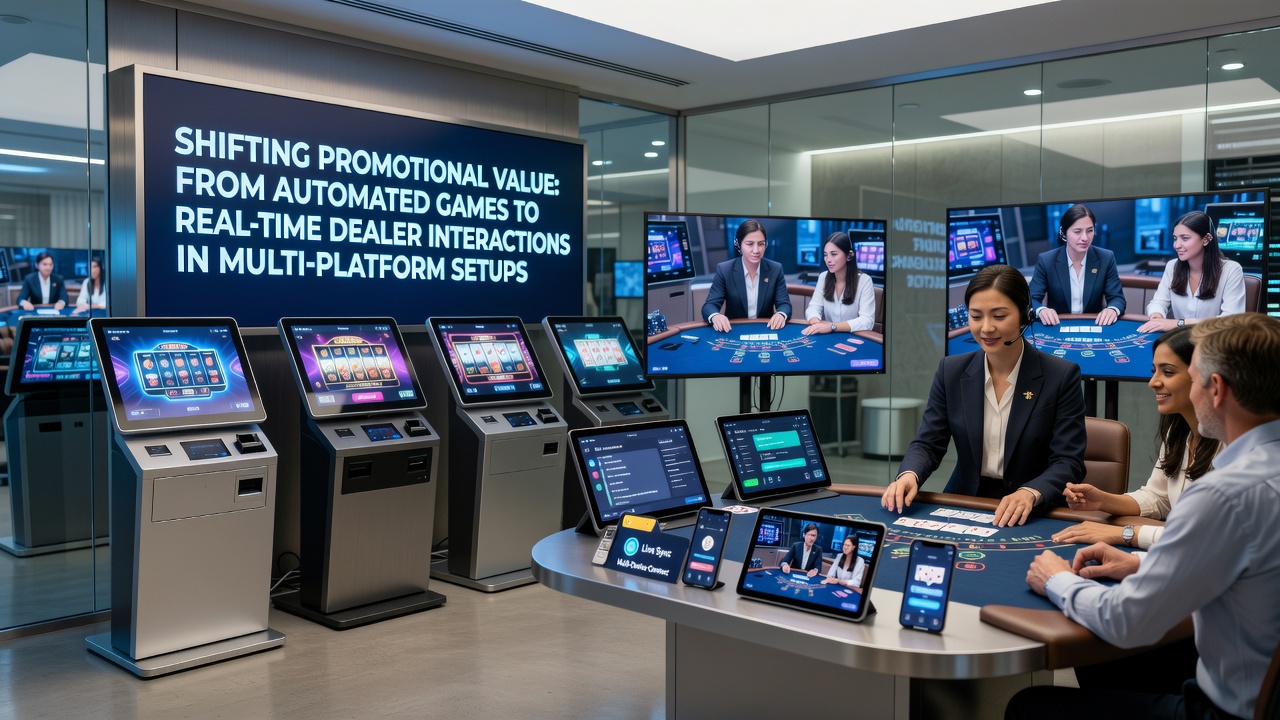
Industry data from mid-2026 shows casino groups reallocating marketing budgets away from automated slot promotions and toward incentives that highlight real-time dealer sessions in environments where users switch between mobile apps, desktop sites, and in-venue terminals. This adjustment follows observed patterns in player retention metrics tracked by multiple operators, where live dealer tables produced longer session durations compared with RNG-driven games alone.
Patterns Driving the Resource Shift
Figures released in July 2026 by regional gaming authorities indicate that live dealer traffic grew 18 percent year-over-year in jurisdictions permitting multi-platform operations, while automated game volume remained flat in the same markets. Operators responded by linking deposit bonuses and loyalty rewards directly to table game participation rather than standalone slot play. The change allows promotional value to travel across devices because live sessions require consistent identity verification that functions identically on phones, tablets, and computers.
One operator in a North American market connected its slot rewards program to live blackjack tables through a single wallet system, resulting in a 22 percent increase in table game handle within four months. Similar integrations appeared in European and Asian properties where regulatory frameworks already support cross-device play. The approach reduces duplication of bonus codes and lets the same promotional credit apply whether a player joins a dealer-hosted roulette wheel from a desktop browser or a mobile app.
Technical Requirements in Multi-Platform Environments
Multi-platform setups demand synchronized player accounts, real-time data feeds from physical tables, and unified bonus engines. Software providers supply APIs that push live dealer streams to any authorized device while tracking wager amounts against a shared promotional balance. When a player triggers a bonus on slots, the system now converts a portion of that value into table-game credits that activate only during live sessions, preserving regulatory compliance across borders.
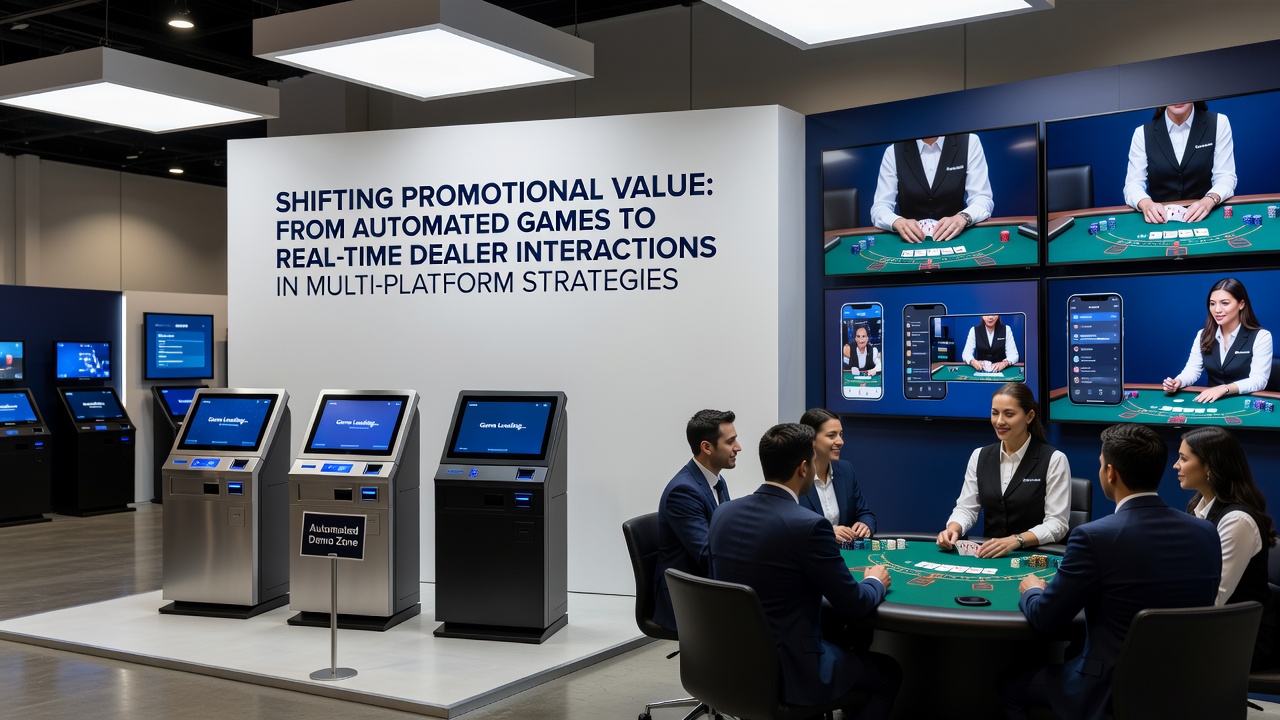
Security protocols require continuous authentication that matches the same standards used by government-licensed platforms in Canada and Australia. These standards ensure that promotional redemptions remain traceable whether the session originates on a mobile network or a land-based terminal. Observers note that this traceability supports audit trails demanded by regulators in multiple regions.
Player Behavior Across Connected Systems
Research from industry associations reveals that users who begin with automated games often migrate to live dealer tables when promotional offers reduce the entry barrier. In one documented case, a loyalty program that awarded table-game credits after a set number of slot spins produced a 31 percent rise in live poker participation over six weeks. The credits carried the same monetary value but could be used only during scheduled dealer shifts, creating predictable peaks in table occupancy.
Operators adjust staffing and camera angles based on these predictable patterns. Data from July 2026 shows average live dealer session length reached 47 minutes when promotional credits were active, compared with 29 minutes for non-promoted play. The difference appears across desktop and mobile cohorts, suggesting the incentive structure functions independently of access method.
Regulatory and Compliance Considerations
Agencies such as the International Association of Gaming Regulators and state-level bodies in the United States require clear separation between automated and live promotional pools. Operators satisfy these rules by maintaining distinct ledgers that record when value moves from one category to the other. Compliance teams conduct weekly reconciliations to confirm that converted credits match actual table activity.
Reports from the Deloitte gaming analytics division indicate that transparent tracking reduces regulatory queries by approximately 40 percent in markets that adopted unified multi-platform systems. The same reports note that live dealer promotions generate higher tax liabilities per session because average wagers exceed those recorded on automated titles.
Conclusion
The documented movement of promotional value from automated games to real-time dealer interactions continues to reshape platform design and marketing calendars in 2026. Operators that synchronized bonus engines across devices recorded measurable gains in table game volume without altering underlying game mathematics. Regulatory frameworks in multiple jurisdictions already accommodate these integrations provided audit trails remain intact. As data collection improves, further refinements in how credits flow between game types are expected to emerge from ongoing operational reviews.