Billionaire Bids Target Major Las Vegas Strip Operators for Private Ownership
Written by Amir Neumann · Jul 12, 2026

Billionaire Bids Target Major Las Vegas Strip Operators for Private Ownership
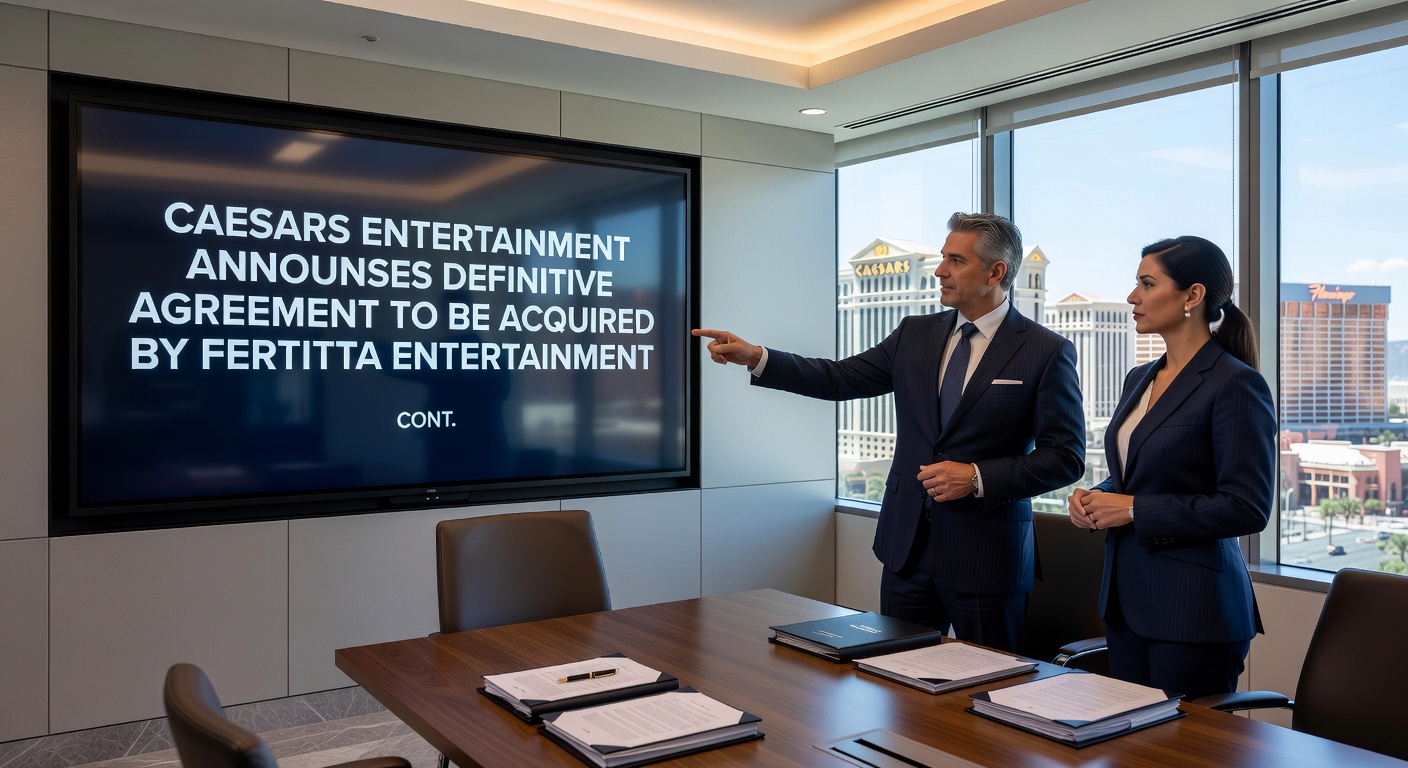
News of dual acquisition proposals surfaced in July 2026 when Tilman Fertitta extended a 17.6 billion dollar offer to acquire Caesars Entertainment and move the company into private hands, while Barry Diller's People Inc. followed with an approximately 18 billion dollar bid for MGM Resorts International. These moves would shift two of the largest publicly traded gaming operators on the Las Vegas Strip away from Wall Street listings and into private structures financed in part through new acquisition debt.
According to coverage in regional outlets, the Fertitta proposal targets full ownership of Caesars, whose portfolio includes multiple Strip properties along with regional assets across the United States. The subsequent People Inc. offer aims at MGM Resorts, which operates prominent Strip destinations and holds additional holdings in other markets. Both transactions, if completed, would mark a notable consolidation of Strip operations under private control.
Details of the Proposed Transactions
Fertitta Entertainment submitted the 17.6 billion dollar bid for Caesars Entertainment, and industry observers note that the figure reflects current market valuations amid steady visitor volumes on the Strip. People Inc. then advanced its roughly 18 billion dollar proposal for MGM Resorts International, creating parallel processes that could unfold over the coming months. Each deal carries implications for capital structures because acquisition financing typically introduces new layers of debt that private owners must service through operational cash flows.
Public filings and statements from the companies involved outline timelines that could extend through late 2026, subject to regulatory reviews and shareholder approvals. Nevada gaming authorities maintain oversight of ownership changes for Strip licensees, and similar processes would apply to any transfer of control. Data from state regulatory records show that such reviews focus on financial stability, background qualifications, and ongoing compliance standards.
Shifts in Ownership Structures
Removing these operators from public markets would eliminate quarterly earnings reporting requirements tied to Wall Street expectations, allowing management teams greater flexibility in long-term capital allocation. Private ownership often emphasizes debt repayment schedules alongside reinvestment in property upgrades and expansion projects. The new acquisition debt associated with both proposals would add to existing balance sheets, and analysts track similar patterns in prior gaming transactions where leverage ratios increased during the transition phase.
Observers note that Fertitta already maintains significant holdings in the sector through Golden Nugget properties, while Diller's media background through People Inc. represents an entry from outside traditional gaming circles. These distinct profiles could influence post-acquisition strategies ranging from operational synergies to cross-industry partnerships.
Regulatory and Market Context
State gaming commissions in Nevada and other jurisdictions where these companies operate would conduct suitability investigations as part of any ownership transfer. Records from the Nevada Gaming Control Board detail standard procedures that include financial audits and character assessments for new controlling interests. Completion of the deals hinges on satisfying these requirements along with any federal antitrust considerations that may arise from concentrated ownership on the Strip.
Market data compiled by industry associations indicate that Las Vegas visitor spending has remained resilient through recent years, supporting valuations that underpin the current offers. The American Gaming Association tracks aggregate revenue figures across commercial gaming sectors, and those metrics provide context for the pricing levels seen in the Fertitta and People Inc. proposals. A separate analysis from university researchers at the University of Nevada, Las Vegas, examines capital flows in the regional economy and notes the role of large operators in employment and tax contributions.
Potential Impacts on Operations and Financing
Private ownership structures can accelerate decision-making on capital expenditures because approvals no longer require public shareholder votes. At the same time, the added debt from acquisition financing creates fixed obligations that must be met regardless of short-term revenue fluctuations. Companies in similar situations have historically balanced these pressures through a combination of cost management and targeted revenue growth initiatives across their property portfolios.
Both proposals arrive as operators continue to invest in amenities, technology upgrades, and non-gaming attractions that drive overall visitor spending. The transition timeline could influence ongoing projects at Caesars and MGM properties, although existing management teams would likely maintain day-to-day operations during the review period.
Conclusion
The parallel bids from Fertitta and People Inc. represent coordinated movement toward private ownership for two major Strip operators, and the outcomes will depend on regulatory clearances, financing arrangements, and board-level decisions in the months ahead. Data from state records and industry sources continue to inform assessments of how these structures might evolve once the transactions reach completion.